

A pattern book for agrihoods
Christopher Alexander was an architect who spent most of his career trying to explain why so many new places feel dead and so many old ones feel alive. His answer, worked out across A Pattern Language and the books around it, was that good places are not designed all at once by one hand. They accumulate. What holds them together is not a master plan but a shared vocabulary of solutions that people apply again and again at different scales, each time adapted to the specific spot.
He called these patterns. Each one names a recurring problem and describes a way of resolving it that has worked before. A window seat. A courtyard that catches the afternoon light. A road that ends rather than passes through. None of them dictates a final form. They give the person making the next decision enough to work with.
We use pattern books for the same reason Alexander wrote them. A development takes years, involves dozens of people, and cannot be controlled from the center without becoming rigid. The pattern book pushes judgment outward. A builder choosing a foundation height, a farm manager siting a wash station, a homeowner adding a porch, all of them can act without a call to the developer, and the place still holds together. The alternative is either an inflexible code that produces sameness or no framework at all, which produces incoherence.
For agrihoods, a few key patterns do a lot of the work.
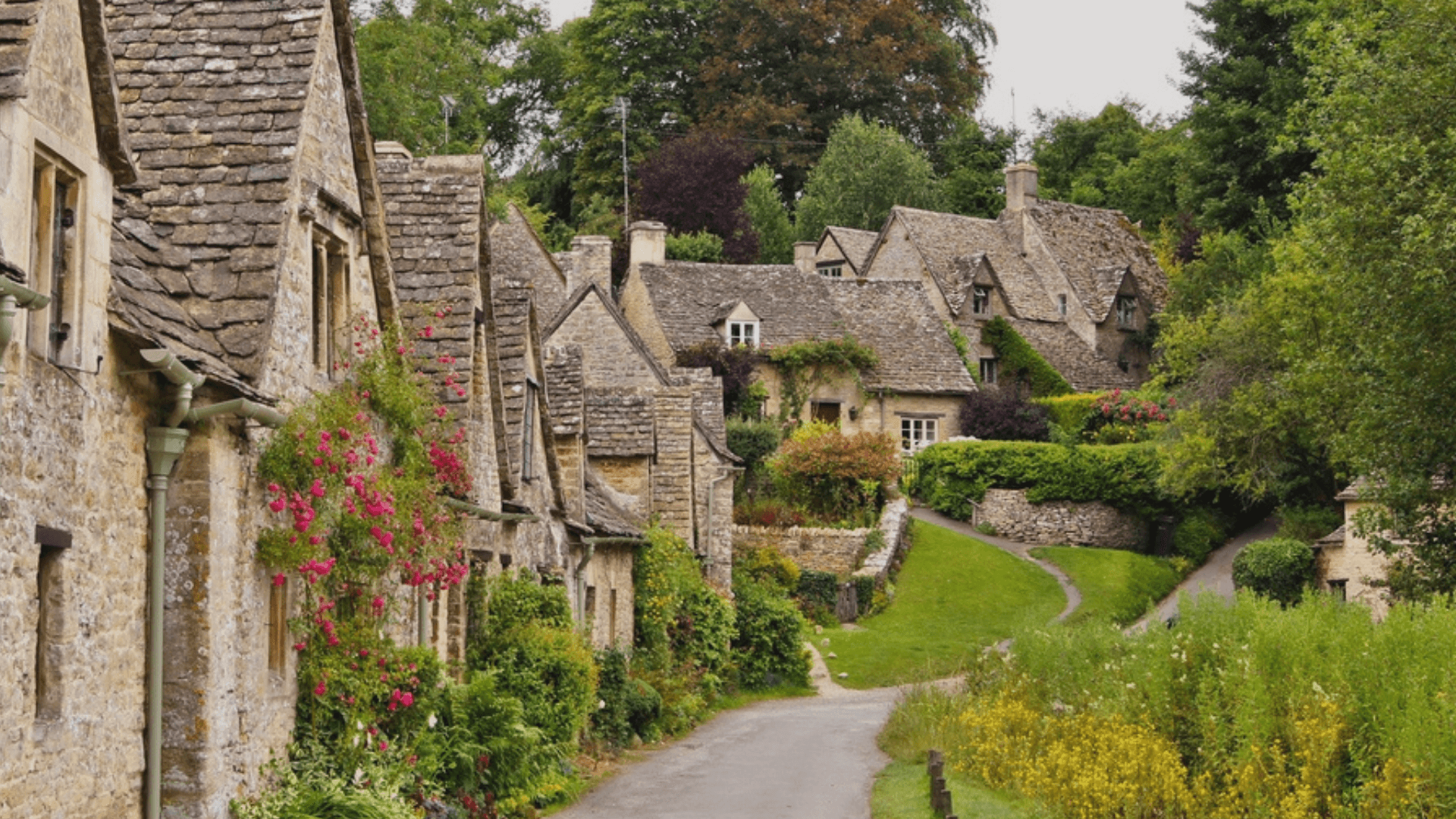
Cluster to hold open space. Density is the mechanism that keeps land in production. Tightening the built footprint is what allows the majority of the ground to stay in soil, and the clustering has to be deliberate enough that the open space reads as continuous rather than leftover.
Design for people rather than cars. Street widths, turning radii, and parking placement set the character of a community more completely than architecture does. Get them wrong and no amount of good building recovers it.
Work at multiple scales of sociability. A household needs a threshold. A cluster of homes needs a shared edge. The community needs a center. These are different problems with different solutions, and collapsing them into one gathering space serves none of them.
Treat the farm as infrastructure. Roads, water, and power get engineered, funded, and maintained. A farm held as an amenity gets cut when the budget tightens. Put it in the same category as the systems the place cannot function without, and the decisions that follow change accordingly.
Conserve the good soil for growing. The best ground is usually also the easiest to build on. Soil survey work has to precede the site plan, not follow it, or the productive acres end up under houses.
Build in daily and seasonal rhythms. Harvest, planting, and the turning of the year give a community a shared calendar. The pattern is not a festival schedule. It is designing the physical place so that seasonal work is visible and people are drawn into it.
None of these tells you what to build. That is the point. They tell you what question to ask before you decide, and they let a lot of people ask it at once.